Super Robot Wars, often abbreviated as SRW, is a multi-platform turn-based tactical simulation game series produced by Banpresto, a subsidiary of Bandai. It is known in North America by names such as Super Robot Wars and Super Robot Taisen.
The series’ strongest appeal is seeing many unrelated works connected through new scenario writing. Popular robot anime from different eras appear together, letting players revisit memories of the original shows and often discover titles they had not watched before.
Features
01
Maps and Units
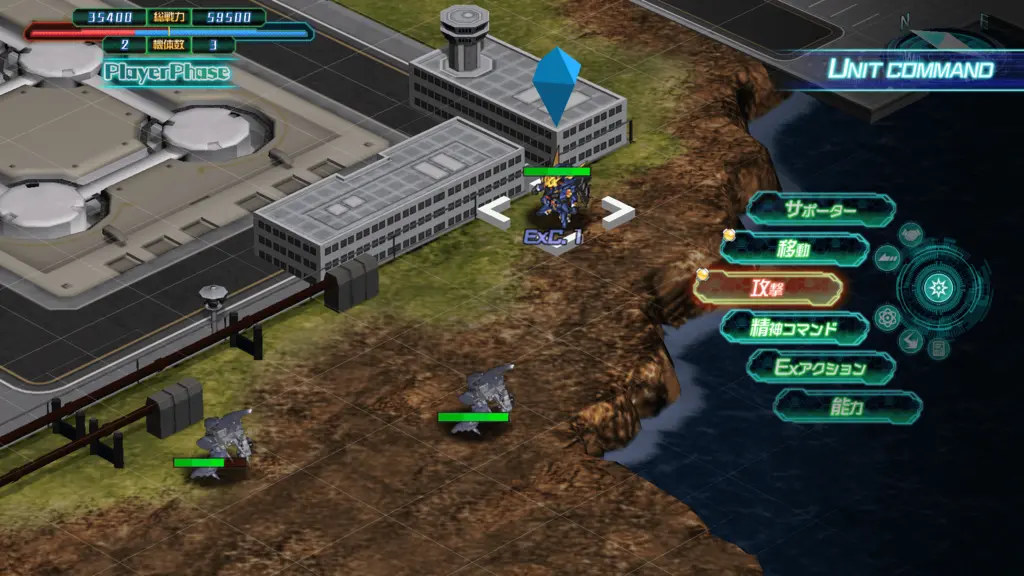
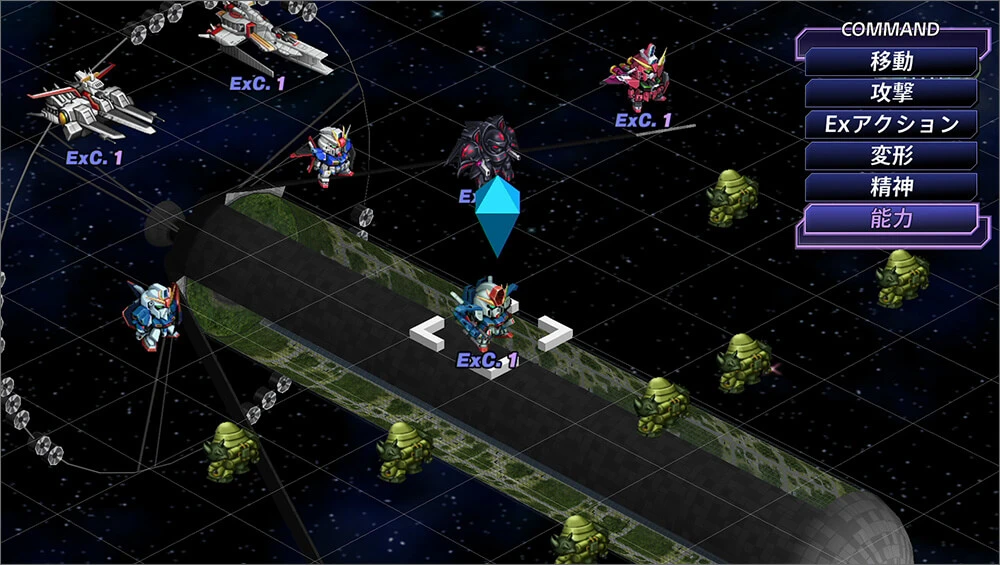
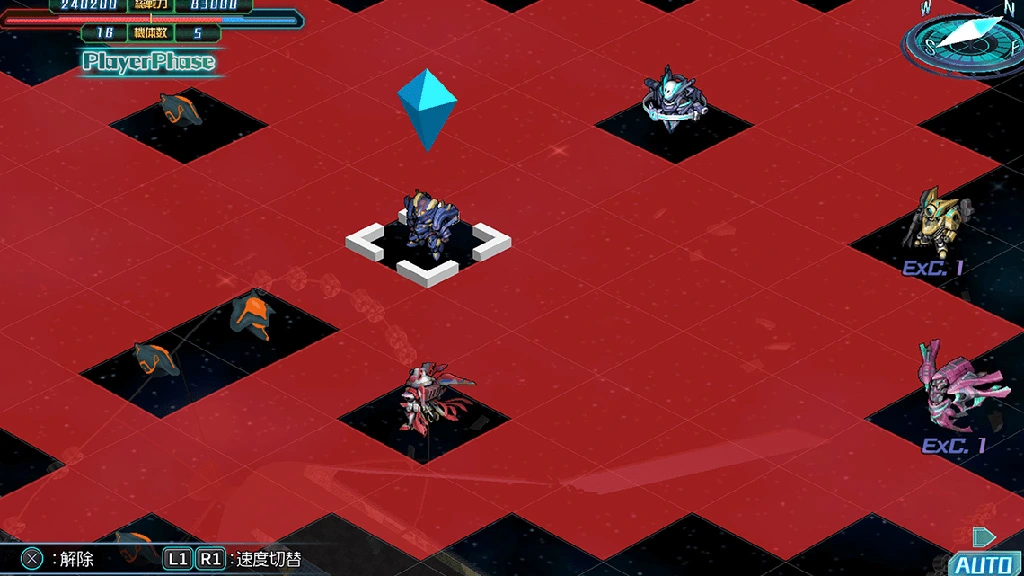
Battles usually take place on grid-based maps similar to tactical board games. Terrain such as plains, forests, mountains, and water affects movement range and combat performance.
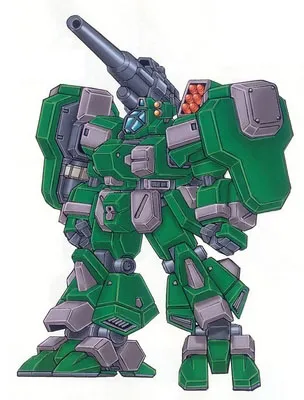
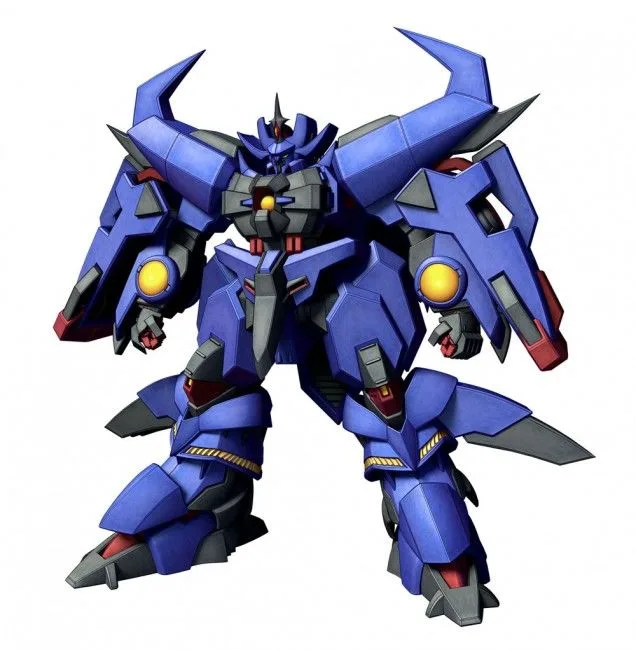
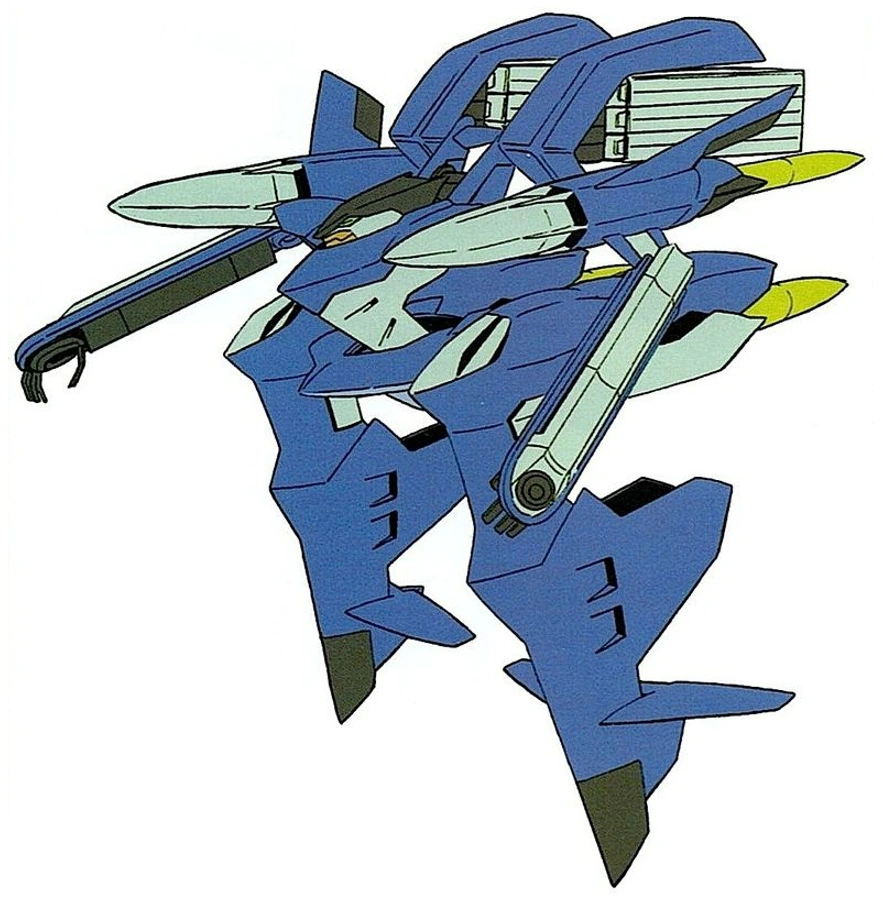
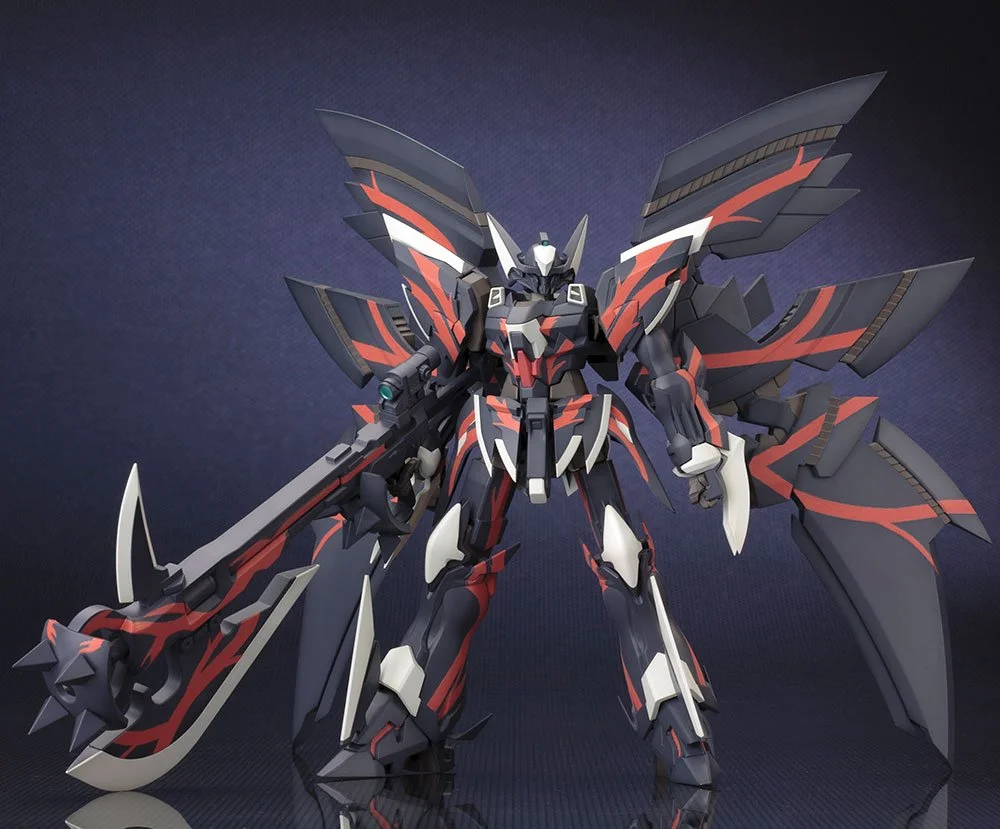
Player and enemy characters appear as robot or mechanical units. Each unit has stats such as HP, EN, attack, and defense, so players must build strategy around each unit’s strengths.
02
Movement and Attacks
Players move their units across the grid and choose when to attack. Movement range depends on mobility, while terrain can make movement easier or harder for different machines.
Attack range depends on each weapon. Players can attack enemies directly or use support abilities to help allied units.
Damage is calculated from the attacker’s power, the defender’s durability, weapon range, and EN cost. Choosing the right weapon for the target is a core tactical decision.
03
Battle Animation
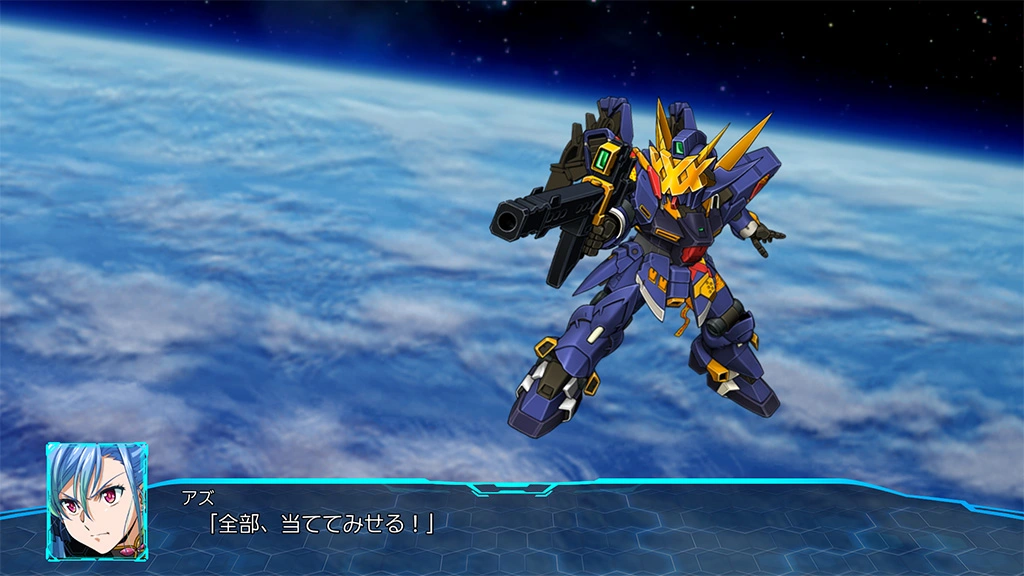
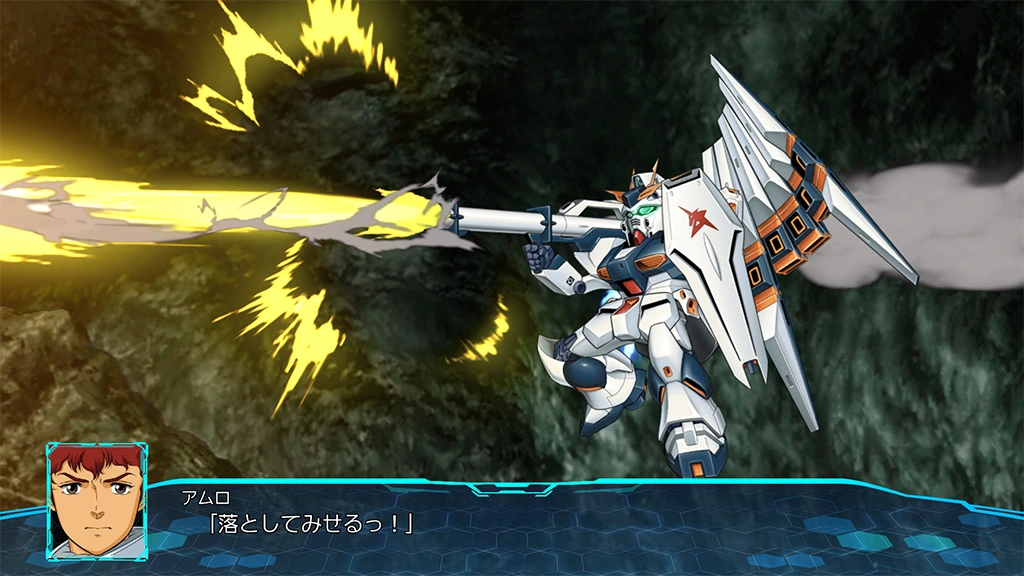
One of the series’ signature elements is its battle animation, combining theme songs or battle music, pilot lines, and attacks that recreate the original robot action.
As hardware improved, SRW battle scenes evolved closer to animation quality. Modern titles also add attacks based on settings or ideas that never appeared directly in the source anime.
04
Original Voice Casting
Voice acting began with disc-based entries such as The 4th Super Robot Wars S in 1996, first as an experiment for main allied characters. Shin Super Robot Wars then expanded voice acting to all characters.
Whenever possible, the games use the same voice actors as the original works. If an actor has retired or passed away, the production often reuses existing recordings rather than recasting.
05
Spirit Commands and Skills
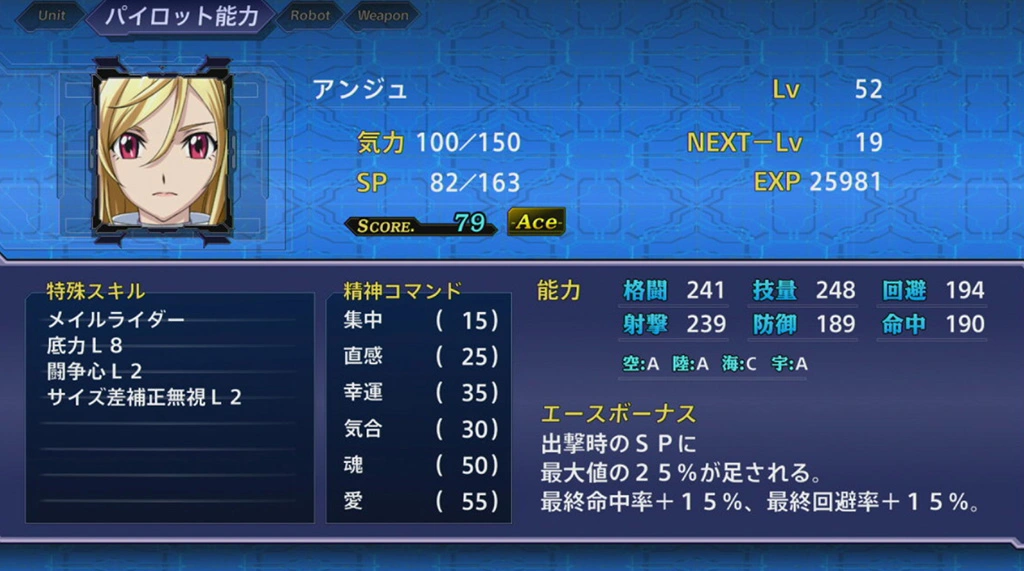
Each pilot has spirit commands that can be used during battle, such as increasing attack power, restoring HP, or improving accuracy. These commands consume SP.
Pilots and units can also have skills that affect movement, defense, attack frequency, and other parts of combat.
06
Strategy
Many games allow pilots and machines to be paired freely, creating different tactical effects. Players need to consider pilot skills and unit characteristics when building teams.
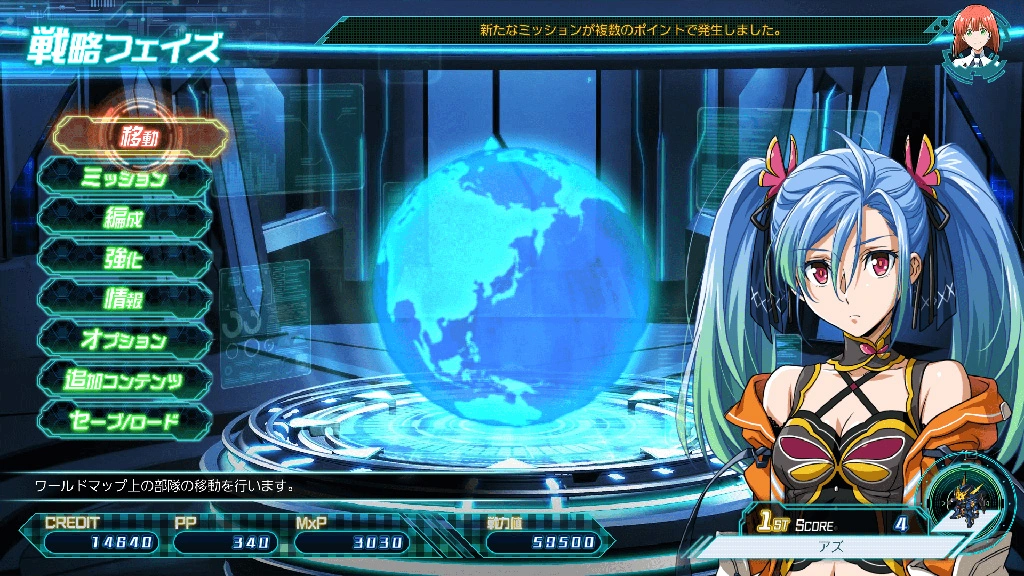
Resources such as money and parts must also be managed, since they are used to upgrade units, buy items, and strengthen abilities.


![[Metal Robot 魂] 全裝甲型凶鳥(フルアームド・ヒュッケバイン)](https://srw.wingzero.tw/assets/collection/col1293.webp)
![[HG] 凶鳥 Mk-II 龍卷](https://srw.wingzero.tw/assets/collection/col1283.webp)
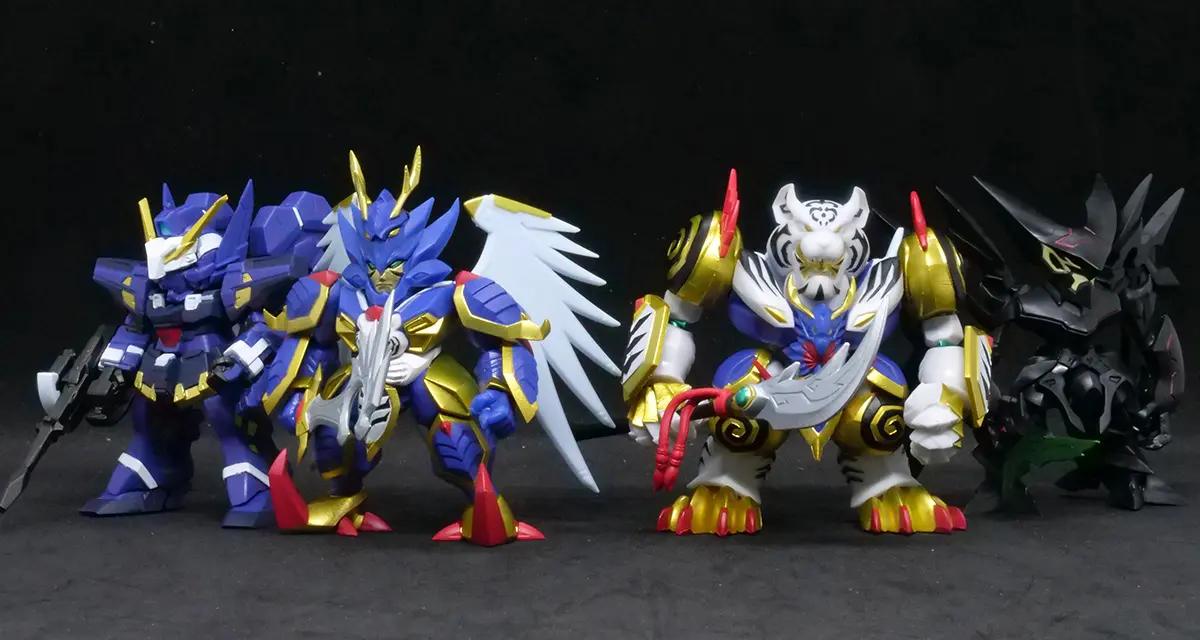
![[HG] 凶鳥 Mk-III(ヒュッケバインMk-III)](https://srw.wingzero.tw/assets/collection/col1166.webp)
![[HG] 賽巴斯塔(サイバスター)](https://srw.wingzero.tw/assets/collection/col1123.webp)
![[HG] 超軍神(ダイゼンガー,Dygenguar)](https://srw.wingzero.tw/assets/collection/col1116.webp)
![[壽屋] 凶鳥 Mk-III(HUCKEBEIN Mk-III)](https://srw.wingzero.tw/assets/collection/col32.webp)
![[壽屋] 凶鳥 Mk-II(HUCKEBEIN Mk-II)](https://srw.wingzero.tw/assets/collection/col31.webp)